

 312-728-4610
 Call Us Now
 E-Mail Us Now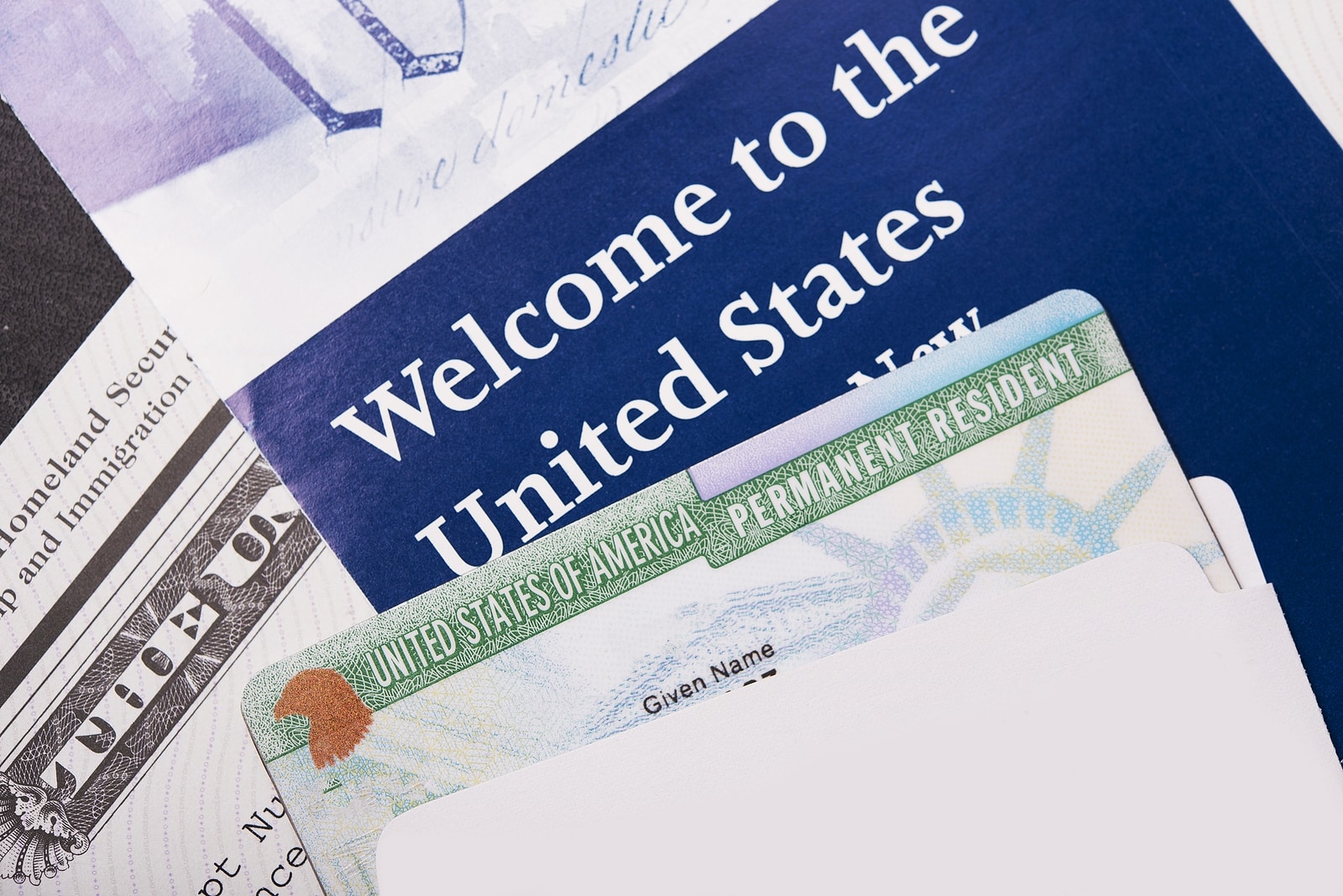
Just How Long is Long Enough?
In most cases of employment-based immigration, a foreign national is sponsored by a company in the U.S. with the understanding that the job is to be a permanent position. The foreign national accepts the opportunity to work and live in the U.S., understanding that it will lead to them receiving a green card for permanent resident status. In accepting this deal, the foreign worker must intend to work the new position on a full-time basis in their new permanent role. The agreement is that the U.S. Citizenship and Immigration Services (USCIS) will eventually grant them their green card so long as they indefinitely remain with their employer. But ‘indefinitely’ doesn’t mean forever!
There is no clearly defined amount of time that the new green card recipient must remain with the employer who sponsored them.
That said, once admitted, an employee mustn’t rush to change jobs following their green card approval. While they may leave the employers who sponsored them, eventually, leaving them too soon may be used as evidence that the foreign worker never intended to uphold their end of the bargain.
So, how long is long enough?
The answer is a disappointing one: it depends.
Some suggest an employee should wait at least six months before transferring to a new job, but this logic is not rooted in law. Certainly, it would be wise, even mandatory in some situations, not to leave before 180 days have elapsed after adjustment of status.. But it is also recommended that the green card recipient remain with the employers who sponsored them for as long as possible in order to show the USCIS that they fully intended to keep their permanent position.
If an employment-based immigrant is compelled, forced, or pressured to leave their position of employment early due to life circumstances, they must keep all evidence that illustrates why the change in employer was necessary. This evidence may be helpful later if the USCIS questions this change. At some points, an employee must remain in a substantially similar position or face denial. What is a substantially similar position can prove arbitrary and confusing. Sometimes, a new attorney must substitute in, when the previous attorney represents both the employer and the employee. Otherwise, the employee is likely to get into trouble.
What if the Employer Lets the Green Card Holder Go?
Sometimes the question of how long an immigrant employee should stay with the employer that sponsored them is not a matter they get to decide.
If the employer who sponsored the immigrant employee terminates their employment for whatever reason, the worker must keep the termination letter as evidence. If possible, ask the employer for a written acknowledgement on letterhead that the employee was willing and able to work but that the job position was no longer available to them going forward.
So long as it is clear that the employee was not fired for cause, these documents may be enough evidence to show that the employee upheld their side of the deal to work for the company on an indefinite basis. If they were let go, it can’t be helped, and the USCIS should not arguably hold that against them.
Does Changing Jobs Affect the Pathway to Citizenship?
Typically, the USCIS may not even know that an immigrant employee left the employers that sponsored them until much later when that new green card holder tries to apply for citizenship. If it’s clear to them then that you left your ‘permanent position’ rather abruptly, they may question you during your naturalization interview. Sometimes, lawful permanent resident status is revoked and deportation may begin after a naturalization application denial.
Usually, an immigrant is unable to apply for naturalization until five years after receiving their green card. During the interview process, USCIS officers will carefully review the information and documentation about the applicant’s immigrant history in the U.S. This will ultimately result in the U.S.C.I.S. Examiner finding and potentially asking the immigrant about their departure from the employer that petitioned them for immigration.
The applicant must be prepared to defend their reasoning by presenting credible evidence that confirms why they left the job early. Again, if the USCIS officer determines that the green card was obtained through deception of an employer, then it can deny the naturalization process and even go so far as to order removal proceedings.
One recommended strategy is to wait longer than the necessary five years before applying for naturalization. If the immigrant worker can last as long as ten years, it is possible that the USCIS will discover the early departure from the sponsoring employer, but may cease to care.
Should You Consult an Immigration Lawyer Before Accepting the New Job?
Immigration laws are constantly changing. As you consider whether to chase a new job opportunity, take the time to also consider how this will look to the USCIS officers who will review your file later on down the road. In some situations, employment based visas become a trap for the unwary and lead to years of anxiety unless there is intervention.
An immigration lawyer, who can represent the sole needs of an employee can best advise them on what to do. The employer’s lawyer must report the employee and/or persuade them against hurting the employer. Whether it is the right time to leave the job that sponsored your immigration should be handled by another firm.. And if you intend to leave the position, immigration lawyers can prepare for the future interview. They can advise you about what evidence to keep and how to resign from the job in a way that causes the least harm.
You shouldn’t have to stay with the job forever only because it got you a green card. But when and how you exit the job can affect your citizenship application later on. So, it’s wise to be cautious.
Contact the Law Office of Kevin Dixler to Schedule a Consultation
Our law firm has extensive experience providing legal guidance to immigrant workers and green card holders in these situations. We offer honest and comprehensive legal services without forgetting our human compassion. The Law Office of Kevin Dixler proudly serves clients in and around the Chicagoland and Milwaukee areas as they look for new opportunities in America.
To schedule a consultation with the firm’s legal team, please call 312-728-4610.